Dental bone implant means placing dental implants when extra bone work is needed to support them—such as grafts, sinus lifts, or ridge augmentation—and it matters because a healthy jawbone is essential for implants to stay stable long-term. This post explains what bone implant dental is, who needs it, common procedures, the treatment steps, risks and benefits, costs, and how to get evaluated.
What is bone implant dental?
Dental bone implant refers to using dental implants alongside bone procedures when natural bone is insufficient. Implants are titanium posts placed into the jaw. Osseointegration is the process by which bone grows and fuses to the implant surface, creating a strong, permanent foundation for crowns or bridges. Without enough bone, osseointegration can fail, so grafting or other techniques are used to rebuild the jaw first.
Who needs a dental bone implant?
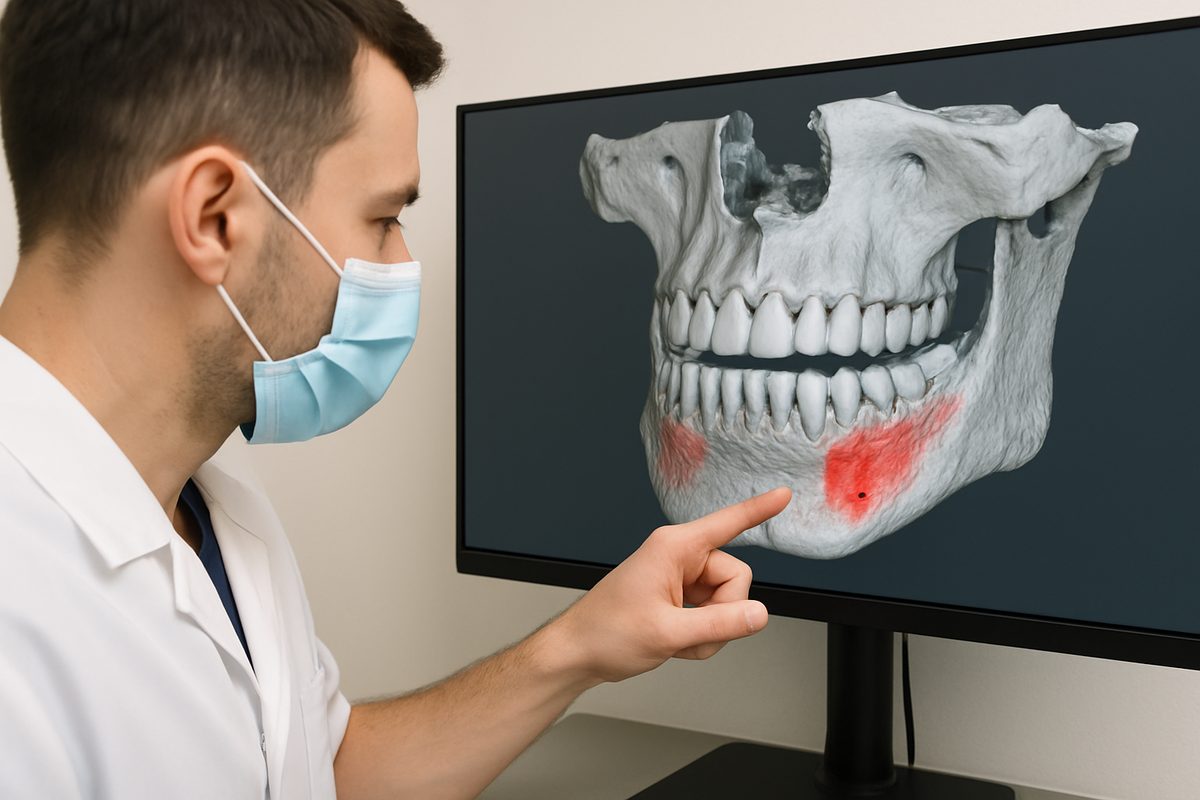
People who have had missing teeth for years, wear loose dentures, or show significant bone loss on X-rays are common candidates for dental implants in Boston. X-rays or a CBCT scan often reveal when the bone width or height is too low. Medical factors that affect candidacy include smoking, uncontrolled diabetes, and active periodontal disease—these reduce healing and bone growth and should be managed before treatment.
Common bone procedures used with bone implant dental
Bone grafts
Bone grafts add volume to the jaw. Small grafts can fill minor defects; larger grafts rebuild big areas after long-term tooth loss. Graft material may be your own bone, donor bone, or synthetic substitutes. Timing can be immediate with implant placement or staged months in advance of implants.
Sinus lift
A sinus lift raises the floor of the sinus when upper back teeth lack bone. The surgeon places graft material beneath the sinus membrane to provide sufficient height for implants.
Ridge augmentation
Ridge augmentation restores the width or height of the jaw ridge so implants sit in the right position and look natural once restored.
The bone implant dental treatment process
Consultation & 3D imaging
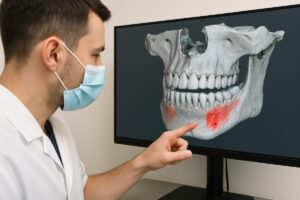
A consultation includes medical history and CBCT 3D imaging to see bone volume and vital structures. Digital planning determines optimal implant size and placement for successful dental implants in Boston.
Guided surgery & implant placement
Computer-guided surgical guides help place implants with high accuracy, protecting nerves and sinuses and improving long-term results.
Healing, bone integration & final restoration
Healing time varies—typically a few months for osseointegration. Once the bone fuses to the implant, a crown, bridge, or denture is attached for full function and appearance.
Risks, recovery, and how to improve bone success
Risks include infection, graft failure, and delayed healing. Recovery usually involves a few days of soreness and several months of bone healing. To boost success: stop smoking, control blood sugar, maintain oral hygiene, eat bone-friendly nutrition (protein, calcium, vitamin D), and attend follow-up visits.
Benefits of choosing bone implant dental over other options
Compared with bridges and dentures, dental implants in Boston offer long-term stability, preserve jawbone, and restore chewing and appearance more naturally. Implants help prevent further bone loss that occurs when teeth are missing.
Cost, insurance, and financing basics for bone implant dental
Costs vary by graft size, sinus lifts, the number of implants, and the implant system used. Dental insurance often limits coverage for implants and grafts; many practices offer financing, payment plans, or third-party lenders to spread costs.
Why trust Stuparich & Nouel Dental Associates for bone implant dental
Stuparich & Nouel Dental Associates combines two prosthodontists with 50+ years of experience and Misch Implant Institute training. They use CBCT, Laser-Lok® and BioHorizons® implants, guided surgery, and CEREC® same-day restorations for precise planning and predictable outcomes.
Next steps: getting evaluated for a bone implant dental
Schedule a consultation with digital imaging and personalized planning. Bring medical history, current medications, and any prior X-rays. Expect to receive a CBCT scan, treatment options, a timeline, and a cost estimate at your first visit.