Thinking about dental work and wondering if dental implants in Boston are right for you? Dental implants replace missing teeth with metal posts and tooth restorations so you can chew, speak, and smile like before. This post answers common questions about how dental implants work, who can get them, recovery, costs, risks, and how to get started.
Read on to learn the basics, what to expect during treatment, and practical next steps so you can decide if dental implants are a good fit for your needs.
What are “dental implants” and how do they work?
Dental implants are artificial tooth roots—usually titanium posts—placed into the jaw to hold a crown, bridge, or denture. Instead of replacing just the visible part of a tooth, implants replace the root and the tooth above the gum line, which makes them very stable and long-lasting.
Basic parts of an implant
An implant has three main parts:
- Implant post – the titanium screw is placed in the jawbone.
- Abutment – a connector that links the post to the visible tooth.
- Crown – the tooth-shaped prosthetic that sits on the abutment.
Together, these parts replace a missing tooth both functionally and cosmetically.
Osseointegration: how the implant bonds to bone
Osseointegration is the process by which bone grows around the implant post and locks it in place. Healing usually takes a few months. Good bone volume and density make this process more predictable; if the bone is thin, a graft may be needed before or during implant placement.
Who is a good candidate for dental implants?
Many adults make successful implant patients, but a few key factors matter for long-term success.
Oral health requirements
Healthy gums and enough jawbone are important. Active gum disease needs treatment first. If bone is insufficient, your dentist may recommend bone grafting to build a stable foundation.
Medical factors to consider
Certain health conditions and medicines can slow healing. Examples include uncontrolled diabetes, heavy smoking, osteoporosis, and some immunosuppressant drugs. Your dentist will review your medical history and may coordinate care with your physician.
Age and lifestyle
Implants work for adults of many ages. Healthy habits—good oral hygiene, avoiding tobacco, and regular dental visits—boost long-term success. Heavy clenching or grinding may require protective measures like a nightguard.
Common patient questions answered
Does implant placement hurt, and what is recovery like?
Surgery is done with local anesthesia and often sedation if needed. Most patients feel soreness rather than severe pain. Typical recovery includes a few days of swelling and mild discomfort controlled with medication and cold packs. Normal activities can return quickly, but full healing takes months.
How long do implants last, and what are the success rates?
Well-placed implants can last decades with proper care. Success rates are high—often over 95% for healthy patients. Good oral hygiene, regular checkups, and avoiding tobacco increase longevity.
How much do implants cost, and does insurance help?
Costs vary by complexity, number of implants, and materials used. Insurance sometimes covers parts of the restoration or related procedures, but often not the full implant cost. Many practices offer financing, payment plans, or third-party loan options to make treatment more affordable.
Are there alternatives to implants?
Alternatives include fixed bridges and removable partial or full dentures. Bridges and dentures can be less costly upfront but may not preserve bone the way implants do, and can feel less stable. Your dentist can review trade-offs based on your goals and budget.
What to expect during treatment
Consultation and 3D planning
A consultation typically includes a dental exam, medical history review, and 3D CBCT imaging for precise planning. Digital smile design helps visualize final results and lets the team plan implant positions for the best function and esthetics.
Surgery and restoration steps
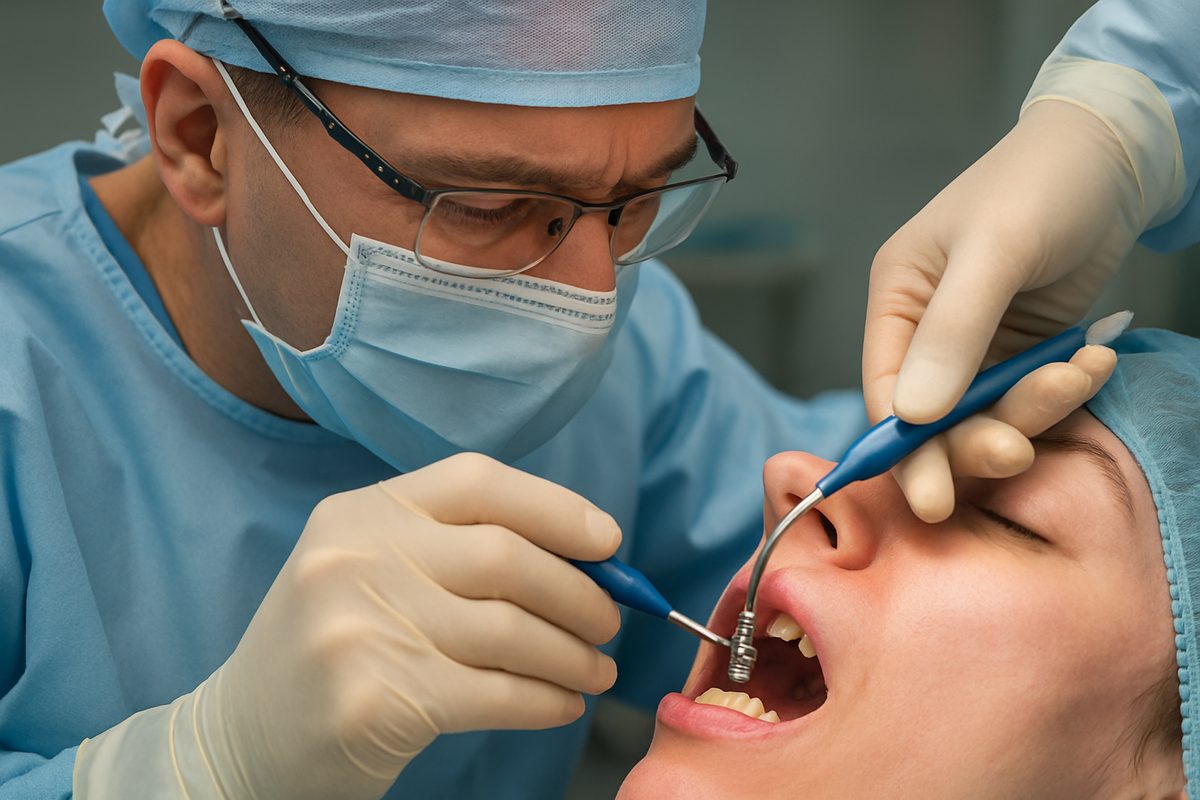
Many clinics use guided surgery to place implants accurately. After placement, there is a healing phase for osseointegration. Once healed, the abutment and crown or bridge are attached. Some patients qualify for same-day restorations using CEREC® technology for quicker results.
Risks, maintenance, and long-term care
Possible complications
Complications are uncommon but can include infection (peri-implantitis), nerve irritation, sinus issues in the upper jaw, or implant failure. Proper planning, surgical technique, and post-op care reduce these risks.
Daily care and professional follow-up
Care for implants is similar to natural teeth: brush, floss, and use interdental cleaning tools. Regular dental cleanings and checkups let your team catch problems early. Professional maintenance may include special instruments and periodic X-rays to monitor bone health.
Choosing the right provider for dental implants
Training and experience matter
Choose a provider with advanced implant training—prosthodontists or implant-trained dentists often deliver better outcomes for complex cases. Look for clinicians who do full-mouth reconstructions and have many years of implant experience.
Technology and implant systems to look for
Valuable tools include CBCT planning, guided surgery, and reliable implant brands. Advanced implant surfaces and systems that promote bone and soft-tissue attachment improve long-term success.
Why consider Stuparich & Nouel Dental Associates for implants?
- Prosthodontist-led care with over 50 years of combined experience.
- Advanced training at the Misch Implant Institute and Fellows of the International Congress of Oral Implantologists.
- CBCT scanning and guided surgery for precise planning and safer placement.
- Use of Laser-Lok® and BioHorizons® implant systems to support bone and soft tissue health.
- Same-day CEREC® restorations are available to reduce treatment time when appropriate.
How to get started
Schedule a consultation to discuss whether dental implants Boston are right for you. Bring a list of medications, recent medical history, and any dental x-rays if available. Expect a review of treatment options, a 3D scan if needed, and a clear plan with costs and timing.
Contact Stuparich & Nouel Dental Associates to set up your consult and learn the next steps toward a stronger, more confident smile.