Dental implants are designed to last, especially with proper care. However, they still require regular attention, much like natural teeth. One issue to be aware of is peri-implantitis, which is an infection affecting the gums and bone around an implant. If you already have implants or are thinking about getting them in Boston, this guide explains what peri-implantitis is, how to recognize it, and how it can be treated. Stuparich & Nouel Dental Associates has been placing and restoring implants in Boston since 1998, led by experienced prosthodontists.
What is Peri-Implantitis?
Peri-implantitis means the gum and bone around a dental implant become inflamed. Bacteria can collect near the implant and cause irritation to the gums. If left untreated, the bone supporting the implant may wear away, which can cause the implant to become loose.
Comparison with Periodontal Disease
Peri-implantitis is similar to gum disease that affects natural teeth, but there is an important difference. Natural teeth are surrounded by a thin layer of tissue called the periodontal ligament, which implants do not have. This difference affects how infections develop, so peri-implantitis often requires treatments specifically designed for implants.
Symptoms and Diagnosis
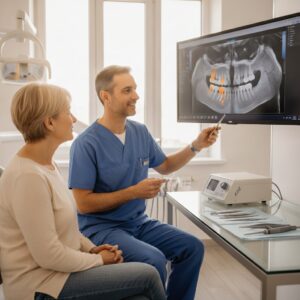
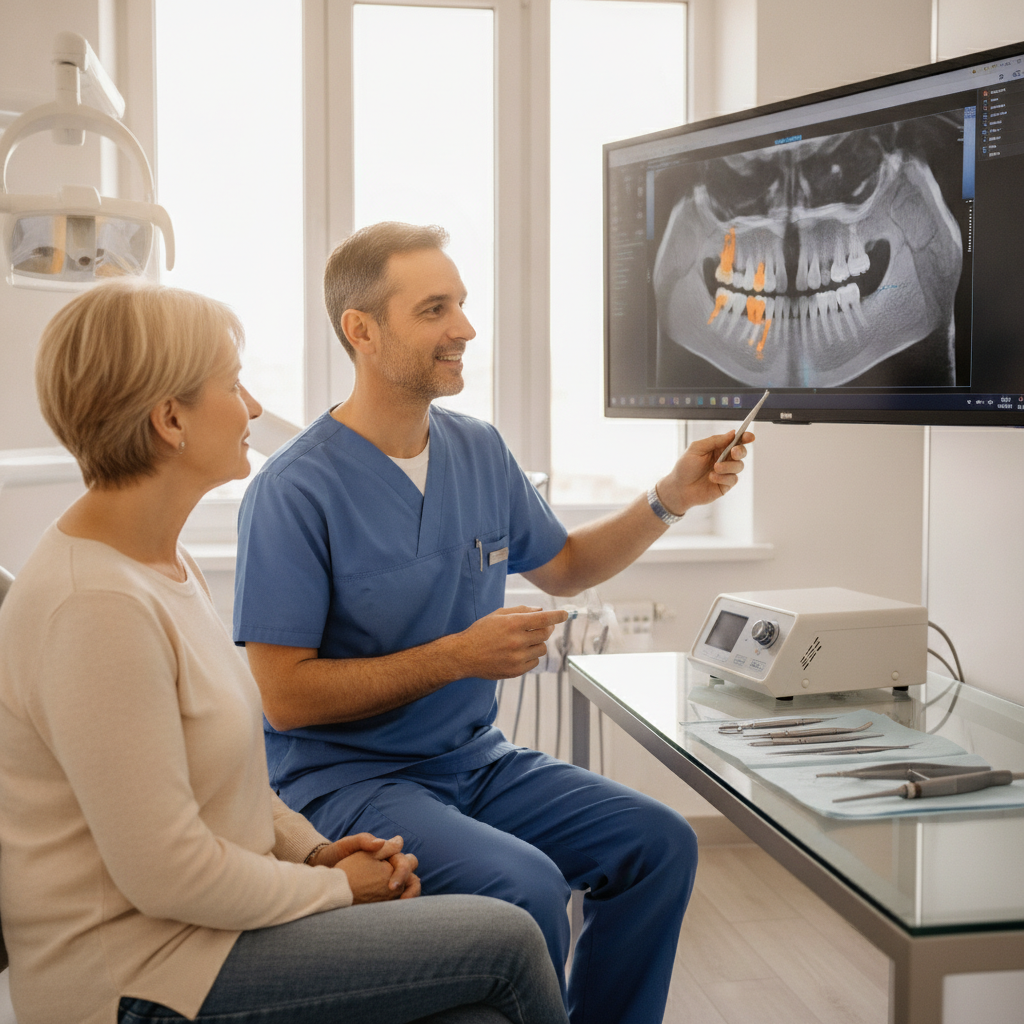
Catching peri-implantitis early makes treatment easier. Look out for signs like red or swollen gums near the implant, bleeding gums during brushing, pus, or a loose implant. If you notice any of these symptoms, contact your dentist promptly instead of waiting for your next checkup. Diagnosis involves examining the gums around the implant and taking x-rays to assess the bone level.
Treatment Options for Peri-Implantitis
Treatment depends on how advanced the condition is. Non-surgical treatments may include professional cleaning and medication, while more advanced cases may require surgery.
Non-Surgical Treatments
For early-stage peri-implantitis, a deep cleaning around the implant, known as debridement, along with antibiotics and more frequent monitoring, is often enough to control the infection and prevent it from progressing.
Surgical Interventions
If the bone has started to break down, you may need surgery. That can mean opening the gum to clean the implant surface (flap surgery), rebuilding lost bone with regenerative procedures, or, in the most advanced cases, removing the implant. At Stuparich & Mauro Associates, we use advanced surgical techniques to ensure optimal outcomes while prioritizing patient comfort and recovery.
Prevention Strategies
Preventing peri-implantitis mostly comes down to daily habits. Brush and floss around your implants the same way you would your natural teeth, use an antibacterial rinse if we recommend one, and don’t skip your checkups, since that’s when we can spot early changes. Lifestyle choices like not smoking help too.
The Role of Prosthodontists in Treatment
Prosthodontists are dentists with advanced training in dental implants and restorations, including replacing and restoring teeth. Their expertise includes understanding how the implant, the crown, and your bite all function together, which is important when addressing problems around an implant.
Why Choose Stuparich & Mauro Associates?
Our practice has served the Boston community since 1998. Both of our prosthodontists trained at Tufts and together have more than 50 years of experience. We perform both implant surgery and restoration in our office, so all aspects of your care are managed in one place.
Cost and Insurance Considerations
The cost of treating peri-implantitis varies based on how advanced the condition is and the type of treatment required. Cleanings are much less expensive than surgery, which is another reason to seek care early. Insurance coverage differs, and we can help you review your plan and discuss payment options, including financing through CareCredit and LendingClub.
Frequently Asked Questions
What is the recovery time after treatment?
Recovery time depends on the type of treatment. Generally, recovery after a non-surgical cleaning is shorter than after surgical procedures.
Are there any risks with treatment?
Like any dental procedure, treatment carries some risks, including infection, bleeding, and in some cases, losing the implant. Talk with us about any concerns before you start.
How often should I have checkups?
We typically recommend checkups twice a year, but depending on your individual needs, we may suggest more frequent visits.
Can peri-implantitis come back after treatment?
Yes, peri-implantitis can return if daily care and regular follow-up visits are not maintained.
Is sedation available?
Yes, we provide sedation to help you stay comfortable during more complex procedures.
Keeping Your Implants Healthy for the Long Run
With proper care, dental implants can last for many years. Detecting issues like peri-implantitis early is important for long-term success. If you notice any changes around your implant or if it has been a while since your last checkup, consider scheduling a visit with us in Boston. Our team at Stuparich & Mauro is here to provide the care and guidance you need. Contact us today to schedule a consultation and ensure your implants continue to serve you well.